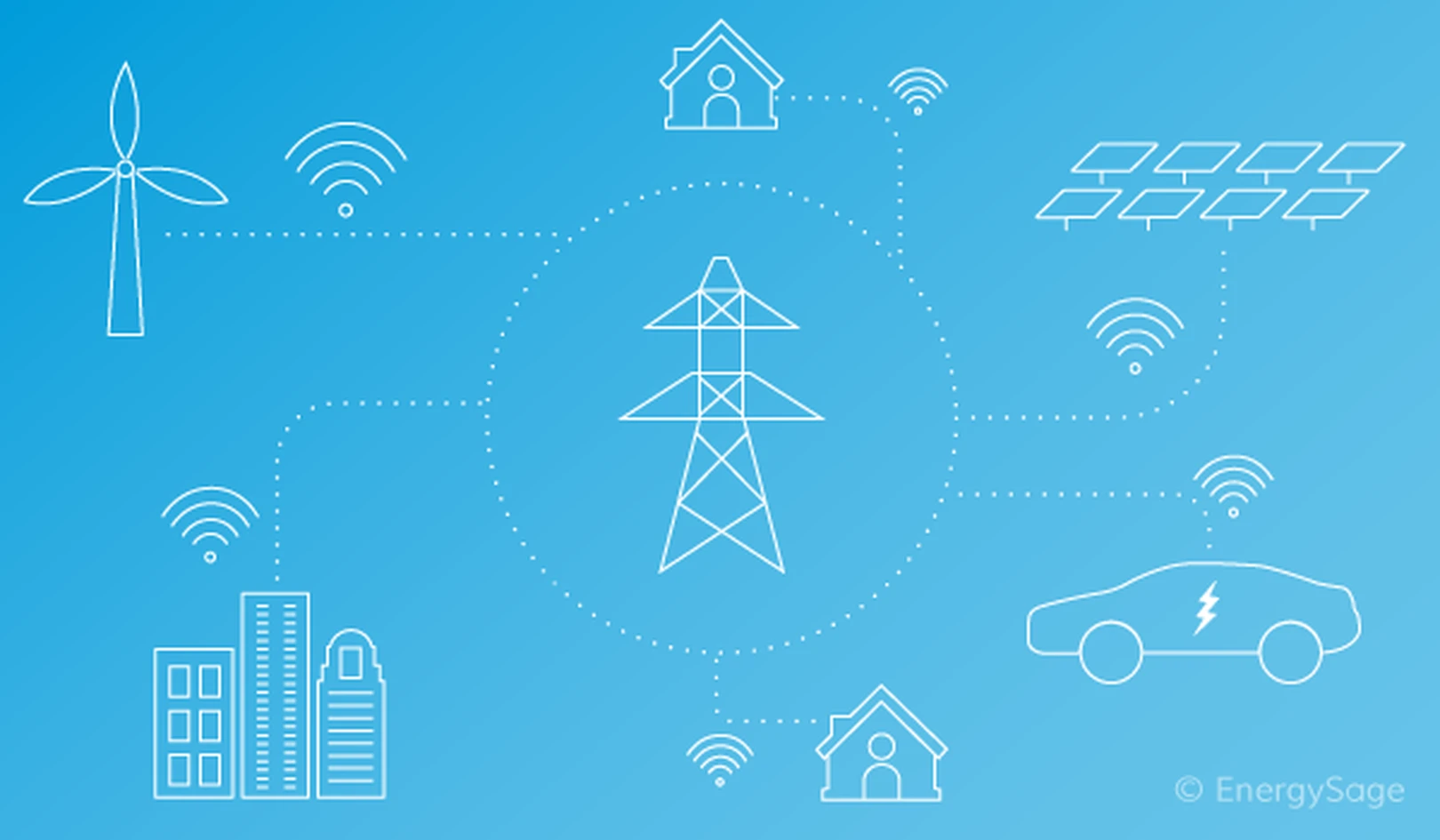
Smart grids represent the next evolution of energy distribution, combining modern technology with traditional power systems to create a network that is more reliable, efficient, and sustainable. By integrating advanced sensors, two-way communication, and automated controls, smart grids allow consumers to not only receive electricity but also monitor, manage, and even contribute back to the grid. For example, renewable sources like solar panels can be seamlessly integrated, providing clean power while reducing reliance on fossil fuels. In essence, smart grids empower both individuals and communities to take part in shaping a greener, more resilient energy future, today and tomorrow.
In this article, we’ll explore how smart grids impact your daily life, from improved outage management to smarter energy usage. These systems ensure electricity is delivered more efficiently, reducing energy waste and lowering costs over time. With real-time data tracking, homeowners can adjust their usage patterns to save money while helping the grid run more smoothly. Furthermore, smart grids pave the way for integrating electric vehicles, renewable energy, and next-generation storage solutions. By actively participating in this transformation, you not only gain financial benefits but also contribute to building an energy system that is cleaner, more reliable, and ready for the challenges of tomorrow.